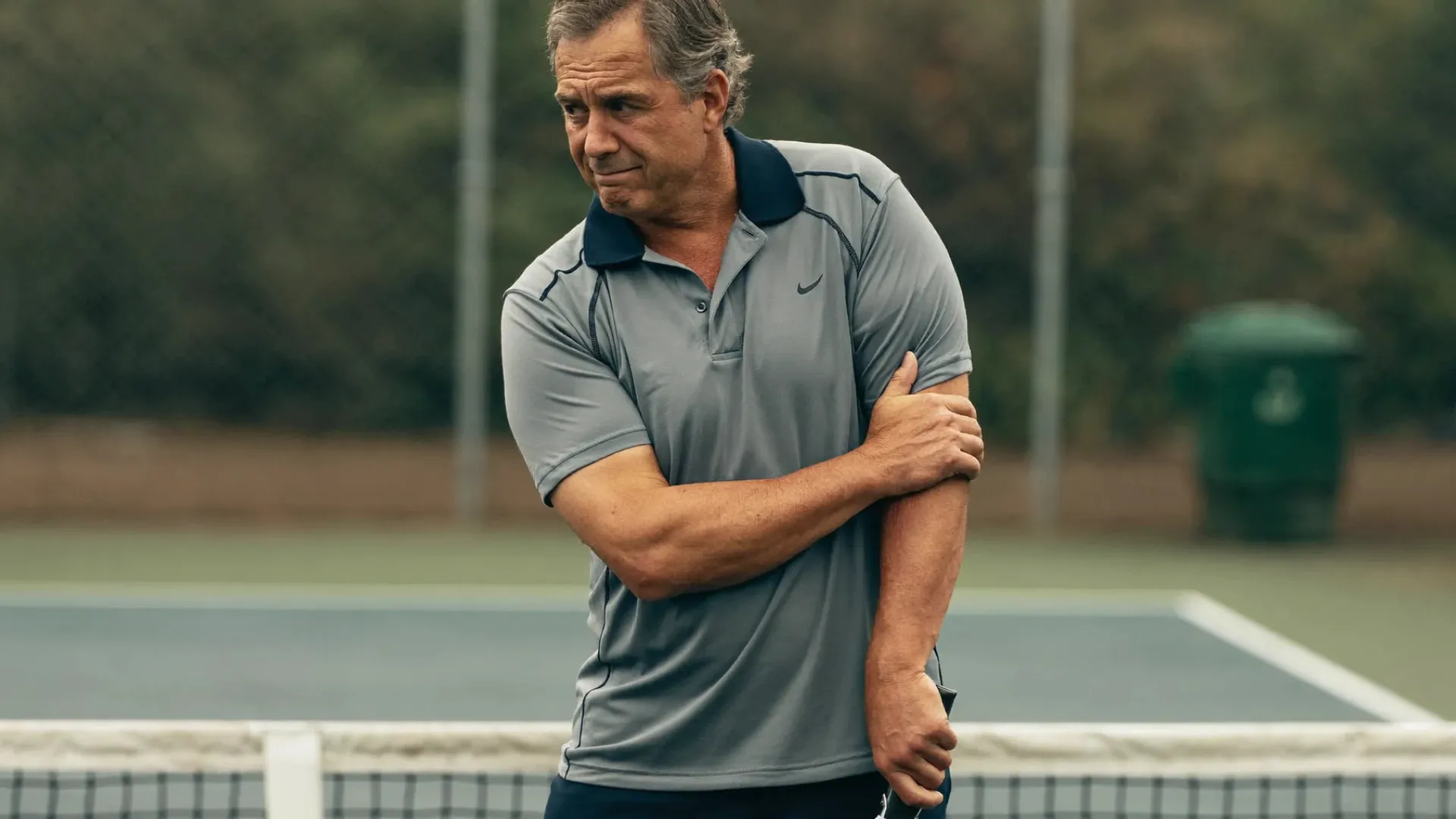
You know the exact moment it starts. And it's not on the court.
It's the next morning. You reach for your coffee. Half a cup, nothing. Then a hot wire of pain lights up the outside of your elbow and shoots down your forearm. The mug almost slips. You catch it with the other hand and stand there at the counter, a little stunned that something this small just dropped you.
By now you've learned the movements that get you. The "claw machine" grab: hauling a case of water off the bottom shelf, pulling wet clothes out of the washer, lifting the milk jug. Shaking a hand. Turning a doorknob. Brushing your teeth. Each one fires the same sickening jolt through a joint that used to just work.
At night it finds you anyway. You wake with your arm folded under the pillow, elbow bent and throbbing, lying in the dark doing the math on whether you can really play Thursday.
Because that's the part nobody warns you about. It isn't just that it hurts. It's that the thing causing it is the thing you love. You finally found a sport you actually look forward to, one your friends play.
And now every session buys you two days of pain and a quiet, creeping fear that you might have to give it up. As one player put it bluntly: "I was ready to just stop playing."
You did everything right. It came back anyway.
You rest it. Two weeks off, white-knuckling through the withdrawal. You buy the $30 compression brace everyone swears by. You add the flex bar, the stretches, the ice. Maybe it gets bad enough that you see a doctor and walk out with a cortisone shot and a wave of relief.
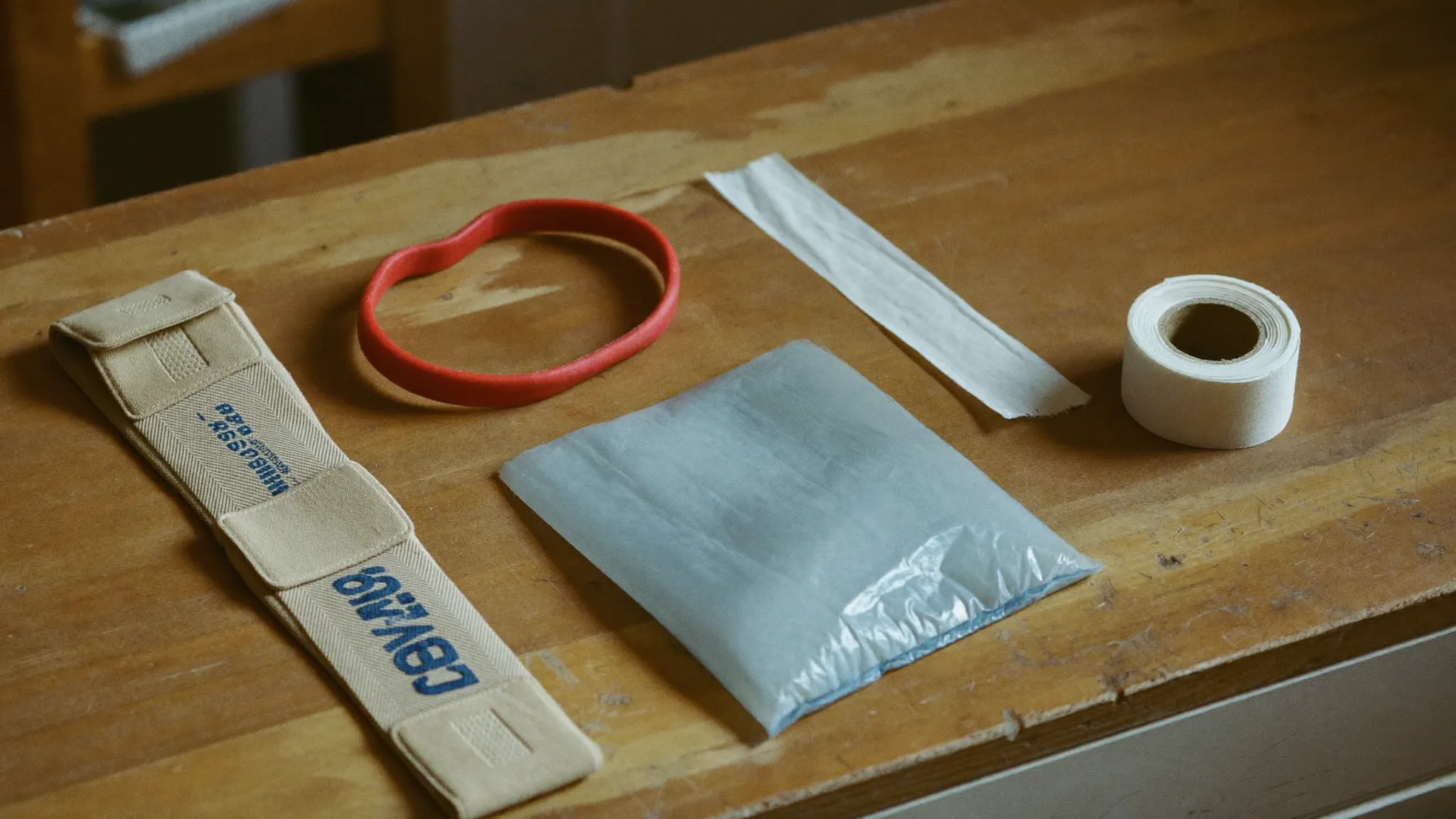
And for a little while, it works. The pain fades. You feel human again.
Then you step back on the court. And somewhere around the first real serve, it comes roaring back, exactly where it was, like the last three weeks never happened.
The truth almost nobody says out loud: resting your pickleball elbow doesn't heal it. It just resets the clock. As one player who fought it for over a year wrote: "Rest WILL NOT fix it. It will come right back when you start playing again. Pain in your elbow is a symptom and not the root problem."
A symptom. Not the problem. If rest, braces, and cortisone all collapse the moment you play again, then the cause was never in your elbow.
It's in your hand.
The culprit hiding in your bag
We read through hundreds of these stories, and the same culprit kept surfacing. Not age. Not technique. The paddle. One kind in particular: the stiff, "poppy," high-powered paddles that have taken over the sport.
Here's what your paddle is doing to you, hit by hit.
Every time the ball strikes your paddle, it sends a shock back through the handle into your wrist, forearm, and elbow.
A soft paddle absorbs most of that shock. A stiff, poppy paddle transmits it straight up your arm, hit after hit after hit, hundreds of times a session.
The very stiffness that gives those paddles their crisp pop and their power is the same stiffness quietly hammering your joint.
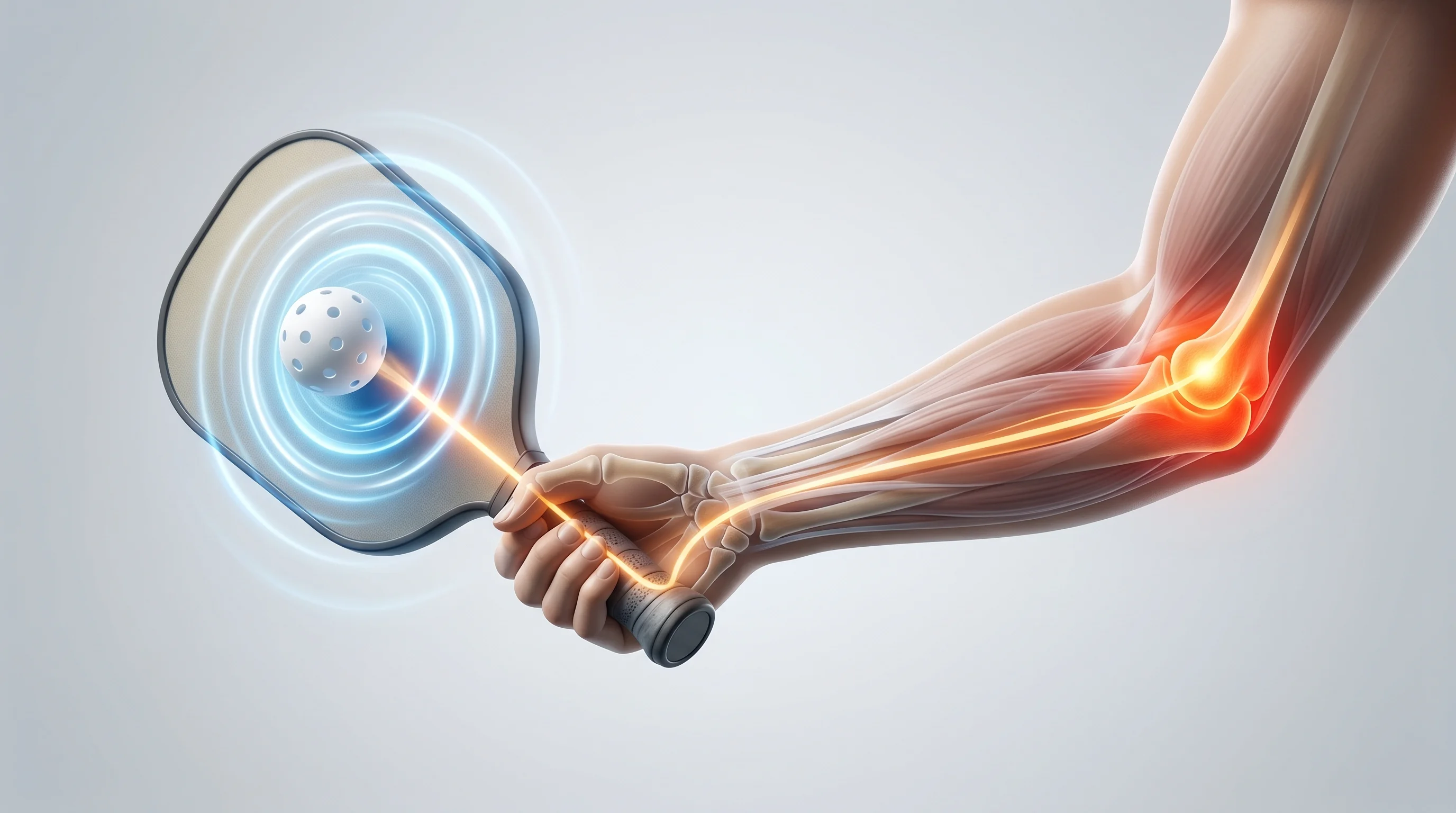
This isn't just locker-room theory. Tennis researchers figured this out decades ago: a stiff frame sends more shock into the forearm. Off-center hits make it worse. And gripping too tight piles strain onto tendons that are already overloaded.
A bigger sweet spot and a little more mass, by contrast, act as shock absorbers. The players blaming their paddles are describing something the research already recognizes.
It's a cruel catch-22: the paddles powerful enough to win (the ones everyone chases), are often the exact ones wrecking the arms of the players swinging them.
They switched paddles. The pain left.
So what does work?
When players finally beat it for good, they almost never credit a brace or a pill.
They credit a paddle change, and the relief is fast and dramatic:
Line up what those players switched to, and three traits show up again and again:
Vibration dampening
"It is not swing weight, it is vibration dampening that is the key." A paddle that eats the sting before it ever reaches your arm.
A thicker core
"Get a thick control paddle. The impact on your elbow is much less." Cores around 16mm act as a built-in cushion, absorbing energy instead of passing it on.
A soft, ball-pocketing face
That holds the ball a fraction longer, trading the harsh, sudden "pop" of a stiff paddle for a plush, controlled contact.
For years, that left elbow sufferers with a miserable tradeoff. The "arm-friendly" paddles were soft, dead, gutless things: the pickleball equivalent of a wooden plank. Gentle on your elbow, yes, but they stripped away the power and spin that make the game fun. You could protect your arm, or you could compete. Not both.
The paddle built around the fix
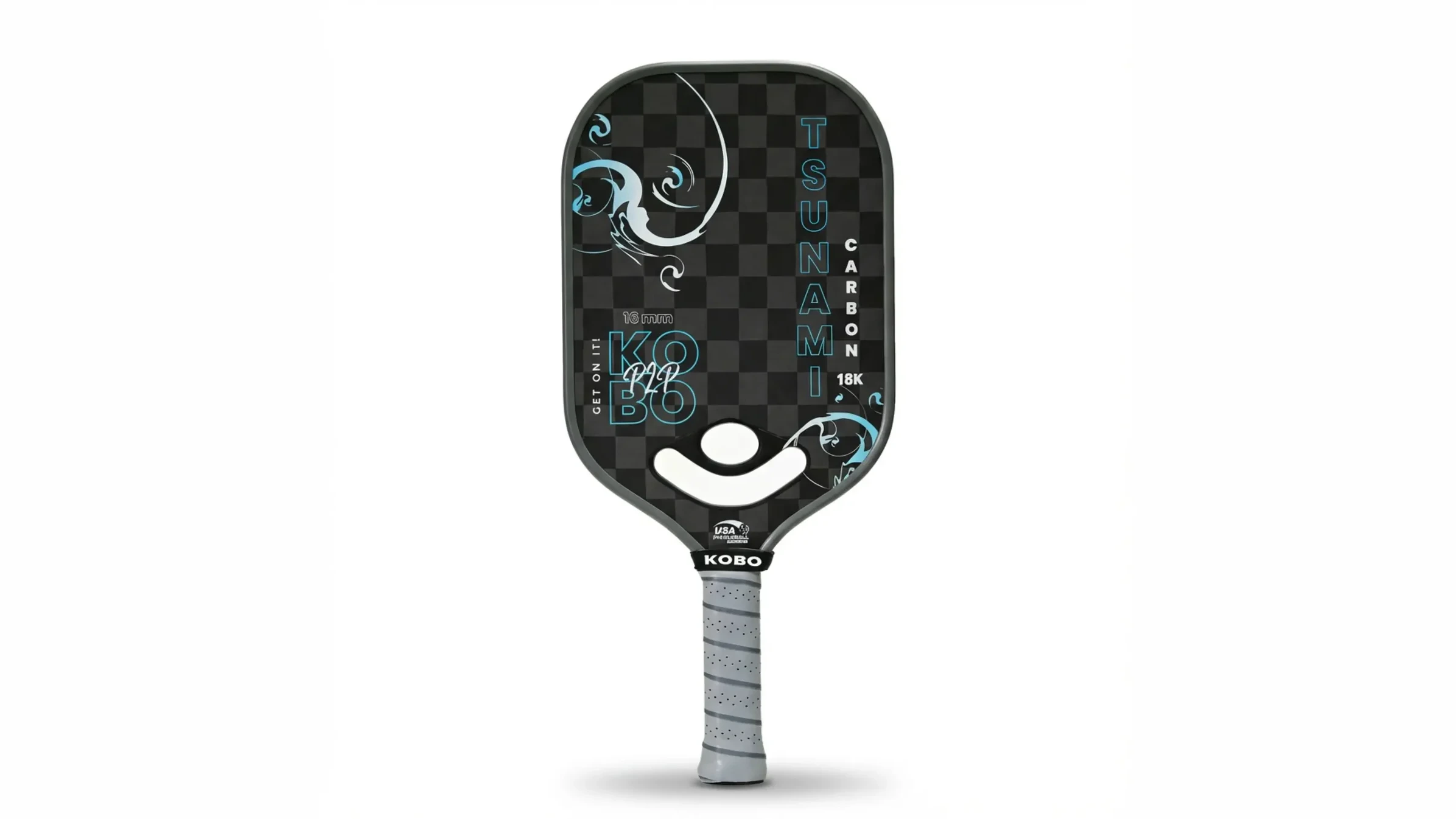
In those same threads, when someone asks which paddle actually pulls it off, the same name keeps surfacing: the KOBO Tsunami.
And its build reads almost like a checklist of everything the elbow-pain crowd says they need, in a paddle that still plays like a weapon.
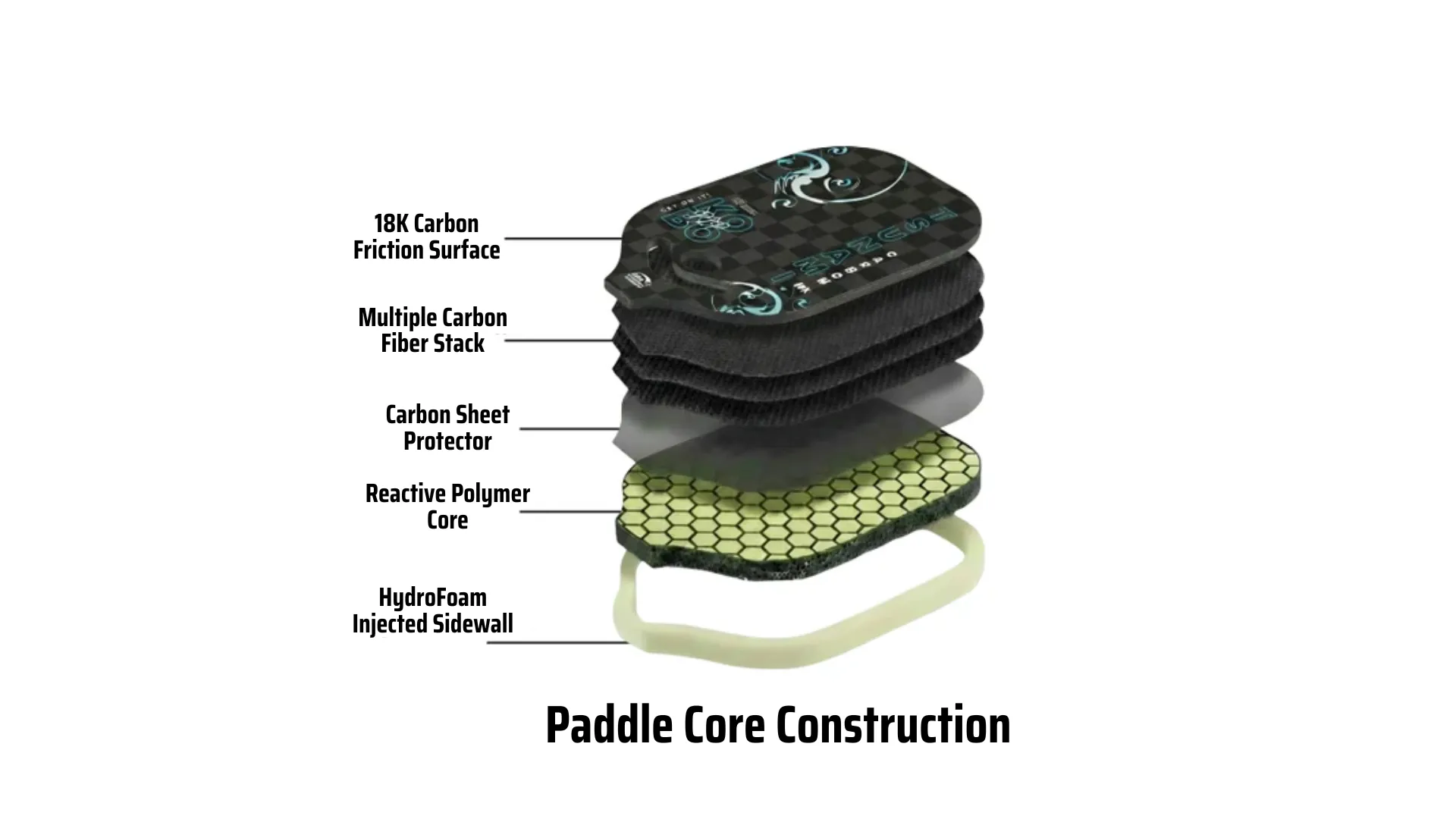
It's a thick, cushioned paddle built to do one thing: soak up the shock before it reaches your arm. A stiff paddle slaps the ball back and fires that jolt straight into your elbow. The Tsunami's softer face does the opposite. It grabs the ball for a split second and cushions the hit, so what you feel is a clean, controlled contact, and what your elbow feels is almost nothing.
Then there's the grip. Squeezing the handle too hard, the "death grip," is one of the biggest triggers of tennis elbow, and it gets worse on handles too thin to hold comfortably.
The Tsunami's 4.25-inch grip is the size players say lets a paddle rest in your hand naturally, so you're not strangling it on every shot.
And here's where it breaks the old tradeoff: it does all this without playing like a plank. KOBO's dual air-channel design trims the swing weight so it still moves fast in your hands.
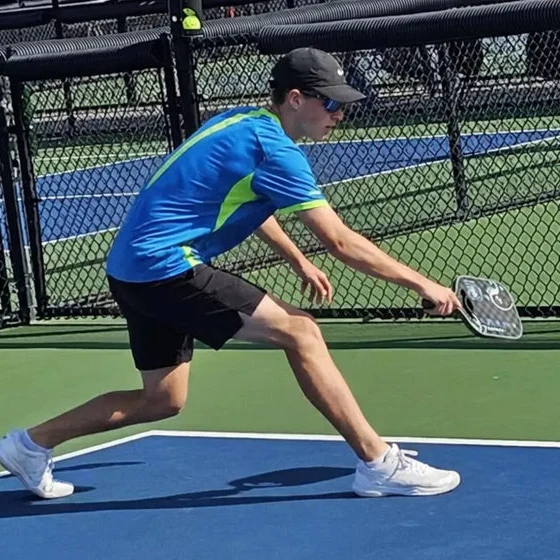
Owners describe a paddle that's plush and forgiving but still hits:
“Great control, sneaky power,” wrote Scott M. after six weeks.
Robert, a 60-plus league player, said it let him shape his shots and keep them low “without having to swing very hard.”
Sandy, a former competitive tennis player who hits hard, called the stability “unreal.”
It's USA Pickleball approved and tournament-legal. Not a therapy gadget, a real paddle.
The Tsunami isn't a medical device, and no paddle is a guaranteed cure. Pickleball elbow is complicated, and if you can't hold a cup of water without sharp pain, see a doctor. Still, the single highest-leverage change you can make isn't another brace.
It's getting the shock out of your swing.
So, keep treating the symptom, or fix the cause?
Every session you keep playing with a stiff, poppy paddle, you're driving the same shock into the same tendon, then asking it to heal on the ice and rest it never quite gets. You can't out-brace a cause that's still in your hand.
So you have two options.
Option 1: Do nothing. Keep the paddle, keep icing the elbow, keep cutting your sessions short, and keep wondering how many good years of pickleball this is quietly costing you.
Option 2: Change the one variable you actually control. Take the shock out of your swing, and find out what it's like to finish three straight games, sleep through the night, and reach for your coffee the next morning without bracing for the jolt.
The pain has been making this decision for you long enough. This one's yours.
KOBO TSUNAMI
Ships direct from KOBO Pickleball, backed by a 1-year warranty.
- + Free Paddle Cleaner (worth $28)
- + Free Paddle Cover (worth $28)
$329.99 → $299.99 with code TSU30
Over 2,000+ Players Trust The Tsunami
What Tsunami players are saying:
Still playing through the pain? Switch to the KOBO Tsunami and get the shock out of your swing. →